
First things first, navigating the world of gambling can often feel complex, with a myriad of choices and strategies to consider. Many players seek an edge, a way to better understand the odds and make more informed decisions. This often leads to an exploration of the underlying probabilities that govern games of chance. Understanding these probabilities isn’t about guaranteeing wins, but about approaching the activity with a clearer perspective and managing expectations more effectively. When you check out godofwins, you’ll see that they offer a straightforward approach to understanding these dynamics.
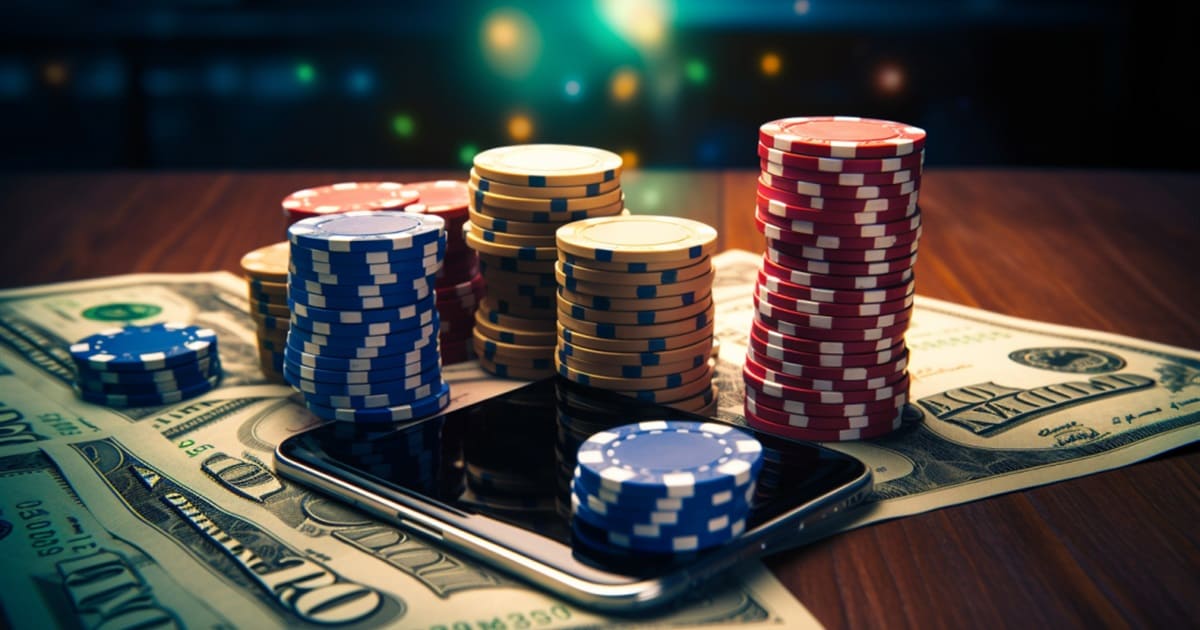
Building on this, a keen interest in the statistical underpinnings of gambling games can transform the experience from pure chance to a more calculated engagement. It’s about appreciating the science behind the fun, and for those who enjoy it, this analytical approach can be incredibly rewarding. What we find is that a deeper understanding of probabilities allows players to enjoy the thrill of the game while also fostering a sense of control and informed participation.
Understanding the Probabilities in Gambling
To start with, when we talk about gambling, the concept of probability is fundamental. It’s the mathematical chance of a specific event occurring. In games of chance, these probabilities dictate everything from the likelihood of hitting a jackpot to the expected return on a bet over time. Understanding these core probabilities is what sets apart casual players from those who approach gambling with a strategic mindset.
This is thanks to the fact that a grasp of probability allows for a more realistic assessment of potential outcomes. It helps players differentiate between short-term luck and long-term statistical trends. If a player understands that a particular slot machine has a certain payout percentage, or that a roulette wheel has a fixed probability for each number, they can make more informed choices about where and how to place their bets.
What’s more, embracing the statistical reality of gambling can lead to more responsible play. Instead of chasing losses based on superstition, players can rely on the data to guide their decisions, understanding that while luck plays a role in the short term, probability governs the long-term house edge.
Mastering Your Chances: A Probabilistic Approach
It’s as simple as following these steps to integrate probability into your gambling strategy:
-
Identify the Game’s Probabilities:
- Research the inherent odds of your chosen game (e.g., blackjack, poker, slots).
- Understand concepts like house edge and return to player (RTP) percentages.
-
Calculate Expected Value (EV):
- For games involving skill, like poker, learn to estimate the EV of different hands and plays.
- Even in games of pure chance, understanding the EV of a bet is crucial for long-term analysis.
-
Bankroll Management Based on Probability:
- Allocate your bankroll in a way that accounts for variance and potential losing streaks, informed by probability.
- Set limits based on expected outcomes rather than emotional responses.
-
Adapt to Changing Probabilities (if applicable):
- In games with variable odds, such as certain sports betting scenarios, stay informed about factors that can shift probabilities.
Comparing Games Based on Probabilistic Advantage
As we can see, not all gambling games offer the same probabilistic landscape. Some are designed with a lower house edge, making them statistically more favorable to the player over the long run, assuming optimal play. Others, while exciting, carry higher probabilities of loss.
Let’s see how some popular gambling activities stack up in terms of their inherent probabilities. This isn’t about finding a guaranteed win, but about understanding where your money has a statistically better chance of lasting longer or where the potential for educated decision-making is higher.
| Game | Typical House Edge (Approximate) | Player Skill Impact | Probability Focus |
|---|---|---|---|
| Blackjack | 0.5% – 1.5% (with basic strategy) | High | Card counting, basic strategy adherence |
| Baccarat | 1.06% (Banker bet) / 1.24% (Player bet) | Low | Betting patterns, understanding odds of banker/player wins |
| Roulette (European) | 2.7% | None | Understanding single number odds, even/odd bets |
| Slot Machines | 2% – 15%+ | None | RTP percentage, bonus feature triggers |
As reported by the American Statistical Association, understanding these statistical differences is key to making informed choices about where to engage your funds within the gambling environment. This comparative analysis highlights how player agency and inherent game design influence the probabilistic outcomes.
The Added Value of Probabilistic Thinking
In other words, applying a probabilistic mindset to gambling offers several distinct advantages that go beyond simply placing a bet.
- Enhanced Decision-Making: You can make choices grounded in data rather than emotion.
- Improved Bankroll Management: Understand how to stretch your funds further by playing games with better odds or managing risk effectively.
- Realistic Expectations: Avoid the trap of unrealistic expectations by understanding the long-term statistical trends.
- Greater Enjoyment: For some, the intellectual challenge of analyzing probabilities adds a significant layer of enjoyment to the gaming experience.
When you engage with gambling through the lens of probability, you’re not just playing a game; you’re engaging with a system, and understanding that system is part of the thrill for many.
Building Trust Through Probabilistic Understanding
When it comes to online gambling, trust is paramount. While the thrill of the game is undeniable, players need assurance that the outcomes are fair and that the probabilities are as advertised. This is where the transparency of platforms that clearly communicate their game mechanics and payout structures comes into play.
A reliable gambling platform will often provide clear information about the return-to-player (RTP) percentages for their games. As a data point, understanding RTP is critical, as it directly reflects the theoretical percentage of wagered money a game is designed to pay back to players over an extended period. This information isn’t just for show; it’s a testament to the platform’s commitment to fair play and allows players to build confidence in the integrity of their gambling experience.
Why Embrace Wise Gambling Probabilities
As we’ve been explaining, integrating an understanding of gambling probabilities into your approach can significantly enhance your experience. It’s not about eliminating chance, but about playing smarter.
-
Informed Choices:
You gain the ability to select games and bets that align with your risk tolerance and strategic goals, moving beyond random selections.
-
Responsible Play:
A solid grasp of probabilities fosters realistic expectations, helping to prevent chasing losses and promoting healthier gambling habits.
-
Strategic Engagement:
For those who enjoy the analytical side, understanding odds and expected values adds a layer of intellectual stimulation to the gaming process.
-
Long-Term Perspective:
While short-term results can vary wildly due to luck, probabilistic thinking helps you understand the long-term dynamics of gambling, leading to a more sustainable approach.
When you approach gambling with this informed perspective, you’ll find that the thrill is amplified by knowledge, and the overall experience is more controlled and potentially more rewarding. In the realm of calculated chances, understanding probabilities truly stands out above the rest; it has no equal for those seeking a more strategic and grounded engagement with gambling.